Frequently Asked Questions
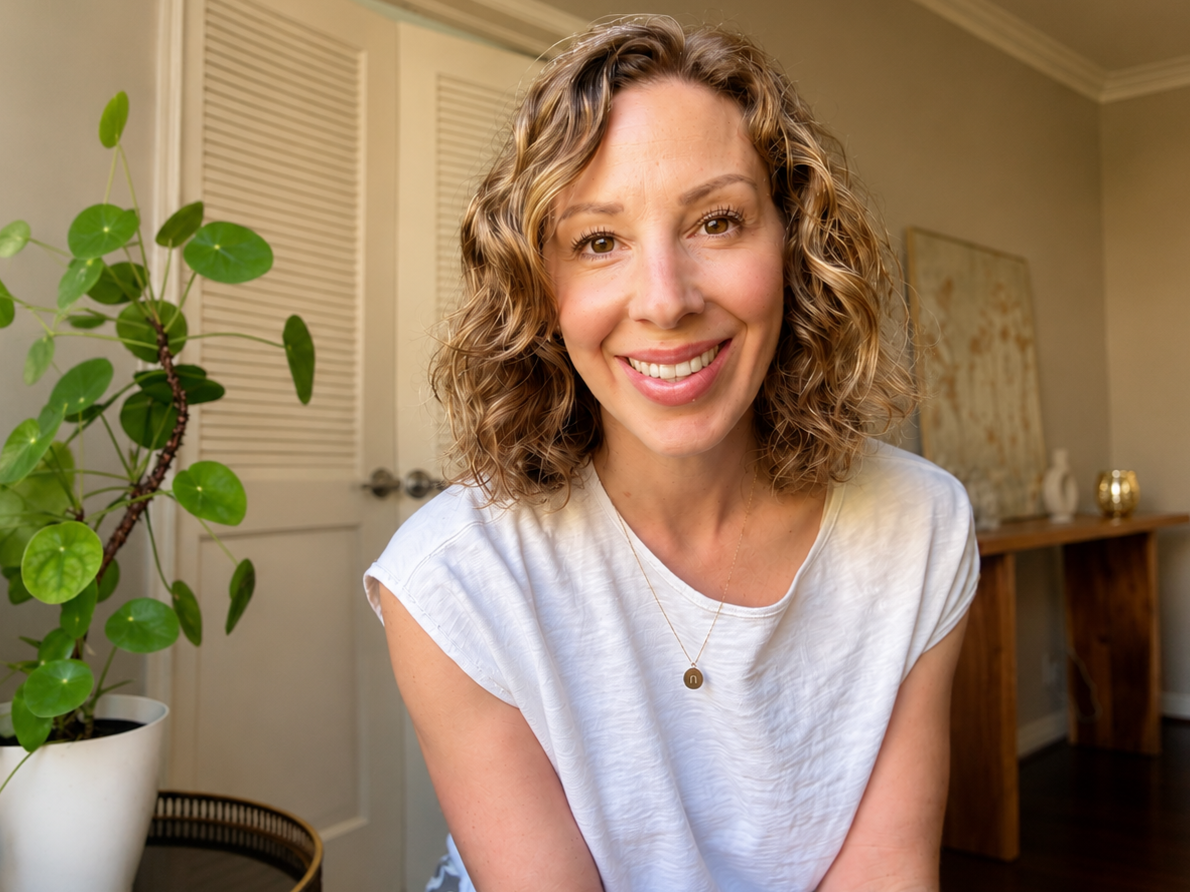
Reaching out to a therapist, whether for the first time or the fifth, can bring up a lot of questions. I've gathered the ones I hear most often from clients in Pasadena and across the LA area below.
If something's still on your mind after reading, my inbox is always open: nicole@counselingwithnicole.com
-
Most consultations feel like a sales call with a stranger. This one doesn't.
In our 20 minutes together, we start with what's actually bringing you in — not your history, not your diagnosis, just what's making you curious about therapy right now. From there we’ll explore what would need to be true for you to know something had genuinely shifted. What does the version of you that's on the other side of this actually look like?
Sometimes we have the opportunity to uncover a pattern or something underneath the surface that’s useful.
By the end you'll know how I work, what my practice looks like, and we'll have a real sense of whether this feels like the right fit. If I'm not the right therapist for you, I'll tell you honestly and point you somewhere that might be.
No pressure. No script. Just a real conversation.
Ready to find out what's underneath? Schedule your free consultation here.
-
Fawning is a trauma response. Instead of confronting a threat or running from it, fawning means appeasing it. Staying agreeable. Keeping the peace. Making yourself easy to be around, even at your own expense.
It often shows up as people-pleasing, over-functioning, saying yes when you mean no, or constantly scanning a room to manage everyone else's emotions before your own.
Fawning usually develops early — in environments where staying attuned to someone else's mood felt like the safest, most reliable way to stay connected or avoid conflict. It made sense at the time. It just doesn’t turn off on its own.
I work with fawning, people-pleasing, and over-functioning patterns regularly with clients in Pasadena and across California and Nevada. I often use ACT and EMDR to help the nervous system actually unlearn what it picked up.
Curious if this is what you're experiencing? Schedule your free consultation here.
-
Short answer: no. But there's more to it than that.
I'm a private pay practice, which means I don't bill insurance directly. My current rate is $250 per session.
What I do offer is a superbill — a detailed receipt you can submit to your insurance company for potential out-of-network reimbursement. Depending on your plan, you may be able to recover a portion of the cost. It's worth a quick call to your insurance provider to ask about your out-of-network mental health benefits before we meet.
Here's the honest reason I work this way.
Insurance often requires higher caseloads and a formal diagnosis, which doesn’t always reflect why someone comes to therapy.
I made a deliberate choice to keep a smaller, more reasonable caseload so I can be genuinely present with every client. That's not a luxury — it's a clinical decision. The quality of therapy is directly shaped by the capacity of the therapist providing it.
I’ve chosen to keep a smaller, more intentional caseload so I can be fully present and deeply know the people I work with.
I also hold a small number of reduced fee slots for those who need them. If cost is a concern, please bring it up in our consultation. I'd rather have that conversation honestly than have it be the thing that stops you from getting support in the Los Angeles area and beyond.
-
Most clients work with me for six months to two years, depending on what they're navigating. I ask for weekly sessions for the first ten to twelve weeks. Consistency is where the real work happens. After that, we reassess together based on what's actually shifting.
I run a smaller, more intentional practice here in the greater Los Angeles area — serving clients in Pasadena and across California and Nevada — so I can track your patterns over time and be genuinely present every session.
Ready to find out if we're a good fit? Schedule your free consultation here.
-
Both. In-person sessions are in my Pasadena office. I also work virtually with clients across California and Nevada, so wherever you are in either state, we can work together.
Curious which fits your life? Schedule your free consultation here.
-
My current rate is $250 per session. I hold a limited number of reduced fee slots. Please ask about availability when we talk. I don't take insurance directly, but I provide superbills for out-of-network reimbursement. More on why, here.
If cost is a concern, let's talk about it together. Schedule your free consultation here.
-
It starts with a free 20-minute consultation — no pressure, no commitment. We'll talk about what's bringing you in and get a sense of fit. If it's right, we schedule your first session. If it's not, I'll point you somewhere that might be.
-
I ask for at least 24 hours notice to cancel or reschedule when possible. Sessions cancelled with less notice are subject to my full cancellation fee, since that time is held specifically for you.
-
I work exclusively with individuals. My specialty is helping women and moms navigate burnout, people-pleasing, and over-functioning — work that benefits from focused, one-on-one attention. Happy to refer you to trusted colleagues in Pasadena and the greater Los Angeles area for couples work.
If individual therapy feels like the right fit, schedule your free consultation here.
-
You're showing up, following through, doing it all well — and still feel flat or resentful underneath it, without fully knowing why.
A lot of the women I work with describe this exact gap. Their days are built around being useful and agreeable, but none of it was ever really about how they feel. It's a way of operating that worked for a long time, and is starting to cost more than it gives.
I see this constantly in the women I work with in Pasadena and across California and Nevada.
If this sounds familiar, this is exactly the kind of pattern we work through together. Schedule your free consultation here.
-
This question carries its own confusion, because it doesn't add up on the surface. You wanted this. You love your kids. And you're also exhausted in a way that's hard to explain.
Mom burnout isn't a reflection of how much you love or care about your children. It comes from the invisible load — constantly anticipating everyone's needs, isolation even when you're never alone, conversations interrupted mid-sentence, no moment that's actually yours. Add a culture that expects mothers to do it all and make it look effortless, and burnout becomes almost inevitable.
I work with mothers across the greater Los Angeles area navigating exactly this.
You don't have to carry this alone. Schedule your free consultation here.
-
You notice things before anyone says anything — the shift in someone's mood, the tension in a room, the thing that might need fixing before it becomes a problem.
For a lot of women, this traces back to learning early that staying tuned in to others kept things calmer and safer. The nervous system holds onto that strategy long after it's needed. It keeps running, even when no one’s actually asking you to manage anything.
It's a pattern, not a personality trait. And patterns can shift.
If this feels familiar, we can start untangling it together. Schedule your free consultation here.
-
You finally get a quiet moment — and instead of resting, your brain starts a list.
For many women, the nervous system learned somewhere along the way that staying busy felt safer than sitting still. Rest can end up feeling exposed, or like something might fall apart if you're not the one managing it.
Knowing rest is allowed and actually feeling safe enough to take it are two different things — that gap is usually what we start working with.
This is exactly the kind of pattern we work with in therapy. Schedule your free consultation here.
-
Yes. And the fact that you already see the pattern is a real starting point.
People-pleasing tends to be a nervous system response that's been working for you in some way, even while it costs you. Understanding it intellectually rarely shifts it, because it didn't form through logic — it formed through experience, often a long time ago. We go beneath the behavior to what it's protecting. That's where lasting change happens.
If you're ready to go deeper than just understanding it, schedule your free consultation here.
-
I don’t believe lasting change comes from willpower alone.
My work draws from ACT and EMDR. ACT and EMDR help shift patterns at the level your body responds from — not just how you think about them.
Curious if this approach feels right for you? Schedule your free consultation here.
-
EMDR (Eye Movement Desensitization and Reprocessing) is an evidence-based therapy designed to help your brain process experiences that got "stuck" — memories or patterns that still feel emotionally charged even though they happened a long time ago.
A lot of people associate EMDR with major trauma, and it absolutely can help with that. But it's also incredibly effective for the quieter, more chronic patterns I specialize in — people-pleasing, fawning, over-functioning, and burnout. These patterns usually formed through repeated experience rather than one dramatic event, and EMDR can help your nervous system finally update what it's still holding onto.
EMDR isn't right for everyone, and that's something we'd talk through together. I'm trained in EMDR and the Flash Technique, and use both with clients across Pasadena, the greater Los Angeles area, and virtually throughout California and Nevada.
Wondering if EMDR could help you? Schedule your free consultation here.
-
Not worksheets, and not nothing. Sometimes a small experiment to try before our next session, sometimes simply a question to sit with — something to help you notice between sessions, so the work doesn't just live in the room with me.
What I won't do is tell you what to do with your life. My job is helping you reconnect with your own values clearly enough to trust your own answers.
Curious what this might look like for you? Schedule your free consultation here.
-
This is one of the most common things I hear, and it doesn't mean therapy isn't for you — it often means the fit or approach wasn't right.
Sometimes that's about modality — EMDR and ACT work differently than talk therapy, going beneath the thinking mind to the patterns actually running the show. But just as often, it's simply about vibe. The relationship between you and your therapist is one of the biggest predictors of whether therapy works — more than any specific technique.
I'd genuinely love to hear what did and didn't work for you before. That tells me a lot about how to make this time different.
Ready to try a different approach? Schedule your free consultation here.
-
Honestly, the consultation is the best way to find out. It's a real conversation, not a sales pitch, and you'll get a genuine sense of how I work.
A few signs we might be a good fit: you're a woman or mom navigating burnout, people-pleasing, fawning, or over-functioning, and you're ready to understand what's underneath the pattern rather than push through it again. I also tend to work well with people who appreciate being asked challenging questions — and I believe relating to you matters; I bring some of my own humanity into the room when it's helpful, which is part of how I work within ACT.
If it doesn't feel like the right match, I'll tell you honestly and point you toward other resources or therapists who might serve you better.
Let's find out together. Schedule your free consultation here.
-
I wrote a full piece about this because it deserves more than a quick answer. But here's the short version.
Insurance reimbursement rates haven't kept pace with the actual cost of running a sustainable practice, and accepting insurance often meant carrying a caseload that made it hard to give clients the depth of care I believe in. It also required assigning a formal diagnosis to access benefits, which doesn't always reflect why someone actually comes to therapy.
Leaving insurance wasn't about making more money. It was about being able to show up fully present, with a caseload that lets me actually know the people I work with.
You can read the full story here.
If this resonates, I'd love to talk. Schedule your free consultation here.
-
My clinical focus and specialty is working with women and moms navigating burnout, people-pleasing, fawning, and over-functioning — and the majority of my caseload reflects that. That said, I do work with men as well, particularly those navigating similar patterns.
If you're a man and these patterns resonate, I'd love to talk. And if it turns out I'm not the right fit, I'm happy to refer you to trusted colleagues in the Pasadena and greater Los Angeles area.
Curious if this could be a fit for you? Schedule your free consultation here.